On-page SEO is not about stuffing keywords into a page and hoping Google rewards it. In 2026, a strong page must be clear for readers, easy for search engines to understand, and useful enough to satisfy the search intent behind the query. That means your title, headings, content, internal links, images, URL, schema, and user experience all need to work together.
This on-page SEO checklist for 2026 is written for bloggers, SEO writers, WordPress users, freelancers, and small business website owners who want a simple publishing process. Use it before you publish a new article, update an old post, or optimize an important service page. The goal is not to chase every tiny SEO trick. The goal is to make every page easier to find, easier to read, and easier to trust.
Why On-Page SEO Still Matters in 2026
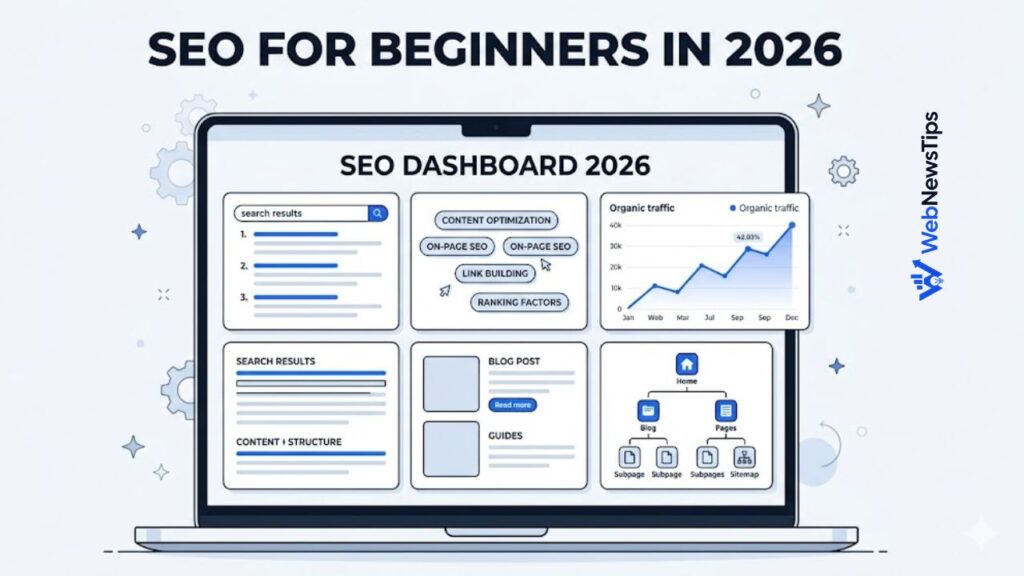
Search engines have changed, but pages still need strong basics. Google needs to understand what your page is about. Readers need to know they are in the right place within a few seconds. A helpful page usually has a clear topic, a readable structure, a strong title, a clean URL, useful content, and relevant internal links. If you are new to these basics, start with the SEO for beginners guide before using this checklist.
1. Match the Page to Search Intent
Before writing anything, ask what the searcher wants. Are they looking for a tool, a definition, a step-by-step guide, a comparison, or a product? Search intent controls the structure of the page. A checklist keyword needs a practical list. A tool keyword needs a working tool or a clear tool recommendation. A beginner keyword needs simple explanations and examples.
For this article, the intent is informational. The reader wants a complete on-page SEO checklist they can follow. That is why the article should include clear steps, practical examples, and publishing checks instead of vague theory.
2. Choose One Primary Keyword and Related Terms
Every page should have one main focus. Do not try to rank one article for ten unrelated keywords. Choose a primary keyword that describes the page. Then choose a few related phrases that support the topic. For this article, the natural primary keyword is on-page SEO checklist 2026. The brief also includes seo title length checker, which fits naturally inside the title optimization section.
Use your main keyword in the title, intro, one or two headings, meta description, and slug where it makes sense. Then review the content with the Keyword Density Checker to make sure you have not repeated the same phrase too much. The best keyword use feels natural when read aloud.
3. Write a Clear SEO Title
Your SEO title is one of the first things people may see in search results. A good title tells the reader what the page offers and why it matters. It should be clear, specific, and relevant. Avoid clickbait that promises more than the page delivers. Also avoid titles that are so long they become hard to scan.
For better CTR, use a seo title length checker before publishing. It helps you review title length, readability, and keyword placement. You can also use the Character Counter when you want to quickly check title or meta description length. A title does not need to hit an exact number every time, but it should be short enough to understand quickly and strong enough to earn the click.
4. Create a Useful Meta Description
A meta description is a short summary that may appear below the title in search results. It does not directly guarantee ranking, but it can influence whether someone clicks. A strong description explains the page, includes the main topic naturally, and gives the reader a reason to visit.
Keep it clear and human. Do not fill it with repeated keywords. If you need a starting point, use the Meta Description Generator and then edit the result manually. A good description for this article could be: Use this on-page SEO checklist for 2026 to optimize titles, content, URLs, internal links, images, schema, and UX before publishing.
5. Use a Short and Readable URL Slug
Your URL should be easy to read. A clean slug helps users understand the page before clicking. It also keeps your site structure simple. Avoid random numbers, long dates, unnecessary stop words, and keyword repetition.
For this article, a good slug is on-page-seo-checklist-2026. It is short, clear, and related to the page. If your title is long, use the Slug Generator to turn it into a cleaner URL before publishing.
6. Structure the Page with Helpful Headings
Use one H1 for the main page title. Use H2 headings for major sections and H3 headings for supporting points. Headings should help readers scan the page and understand the flow. They should not be stuffed with keywords just to look optimized.
A good on-page SEO article usually includes headings for search intent, title tags, meta descriptions, content quality, internal links, image SEO, schema, and final checks. Keep headings direct. A reader should be able to scan your page and know exactly what each section covers.
7. Write People-First Content
The strongest SEO content solves the reader problem. It gives enough detail, uses simple language, and avoids filler. In 2026, content that only repeats common advice without examples is weak. Readers want practical steps they can apply.
8. Optimize Keyword Usage Without Stuffing
Keyword stuffing makes content sound forced. It also hurts trust. Use your keyword where it helps the reader understand the topic. Then use related phrases naturally. For an on-page SEO checklist, related terms may include SEO title, meta description, heading structure, internal links, image alt text, URL slug, schema markup, content optimization, and search intent.
A simple test is to read the paragraph aloud. If the same phrase sounds repeated, rewrite it. Search engines are better at understanding meaning than before, so you do not need to repeat the exact keyword in every paragraph. Clear writing is usually better than forced optimization.
9. Add Internal Links That Help the Reader
Internal links connect related pages on your site. They help readers continue learning and help search engines understand page relationships. Add links where they feel useful, not randomly. A link should give the reader a clear next step.
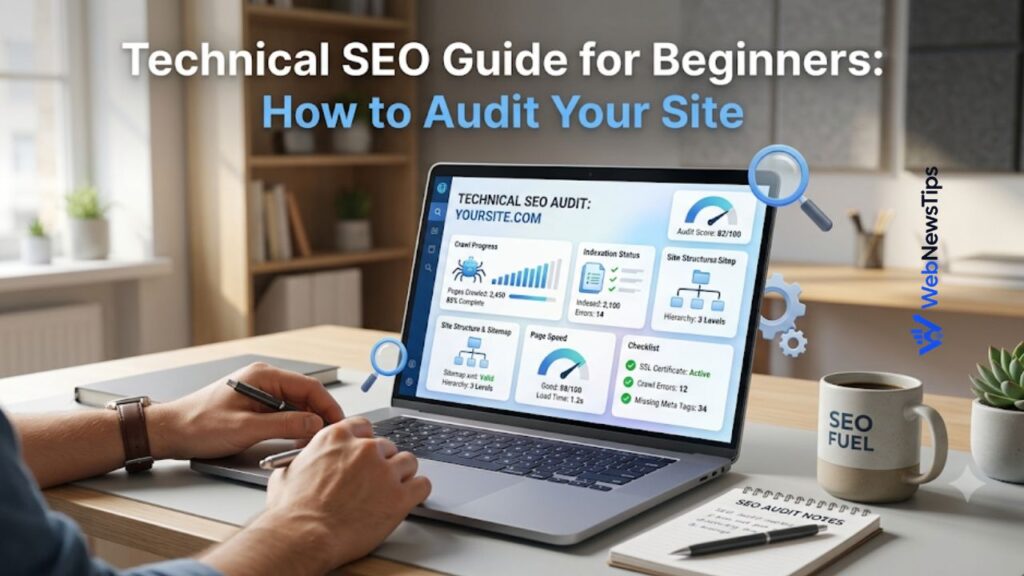
For example, this article can link to the Technical SEO Guide for Beginners when discussing crawl, index, sitemap, and robots.txt checks. It can link to tool pages when readers need to check titles, descriptions, slugs, or keyword usage. A strong internal linking structure keeps visitors moving through useful pages instead of leaving after one article.
10. Optimize Images and Alt Text
Images make content easier to understand, especially for guides and checklists. Use relevant visuals, compress file size, and place images near related text. Add descriptive alt text that explains the image in context. Do not stuff alt text with keywords.
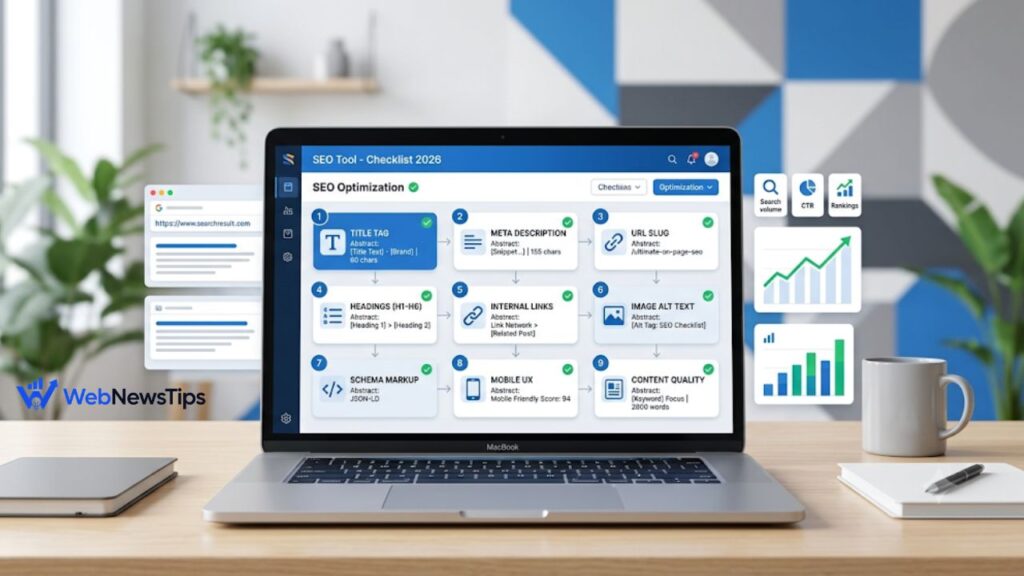
For this article, a good image could show a website optimization checklist with title tags, meta descriptions, links, images, schema, and page experience. A good alt text would be: On-page SEO checklist for 2026 showing title tags, content, links, images, and schema optimization.
11. Check Technical Elements on the Page
On-page SEO is not only writing. Each page must also be accessible to search engines. Check whether the page is indexable, uses the correct canonical URL, loads properly on mobile, and is not blocked by mistake. Review broken links, redirects, and duplicate pages when updating old content.
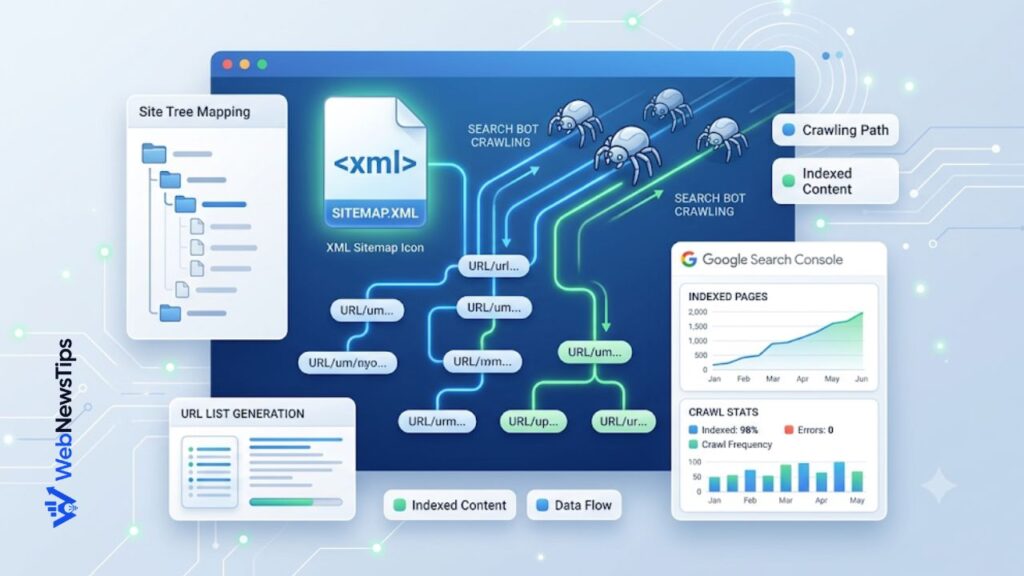
If you are planning or auditing site structure, the Sitemap URL List Generator can help organize important URLs. If you need to create or review crawl instructions, use the Robots.txt Generator carefully. These tools support technical checks that protect your on-page work from avoidable indexing issues.
12. Add Schema Where It Matches the Content
Structured data gives search engines extra context. For blog posts, Article schema may be useful. For pages with real questions and answers, FAQ schema may help if it matches visible content and current search guidelines. For local businesses, Local Business schema can support location details. Do not add schema that does not match the page.
13. Improve Readability and Page Experience
A well-optimized page should be easy to read on desktop and mobile. Use short paragraphs, clear headings, useful lists, and enough white space. Avoid intrusive popups that block the content. Check that buttons, links, tables, and images work on small screens.
Readability affects engagement. If readers leave quickly because the page is hard to use, the content will struggle to perform. Good on-page SEO respects the visitor. It makes the answer easy to find and the next step easy to take.
14. Show Trust, Experience, and Accuracy
Trust matters. Add accurate information, update outdated advice, and avoid claims you cannot support. If the topic requires experience, include practical details that show real understanding. Add author information when possible. Keep dates honest. Do not change the date of a page just to make it look fresh if the content has not been improved.
15. Final On-Page SEO Checklist Before Publishing
Use this quick checklist before you publish or update any important page:
- The page matches one clear search intent.
- The focus keyword is clear and used naturally.
- The SEO title is specific, readable, and checked for length.
- The meta description explains the page and gives a reason to click.
- The URL slug is short, readable, and relevant.
- The page has one H1 and organized H2 and H3 headings.
- The content answers the main question with useful detail.
- Keyword usage feels natural and avoids stuffing.
- Internal links point to related guides, tools, or resources.
- Images are compressed, relevant, and have descriptive alt text.
- The page is indexable and not blocked by robots.txt or noindex tags.
- The page is readable and works well on mobile.
Common On-Page SEO Mistakes to Avoid
The most common mistakes are trying to optimize before understanding intent, using a title that is too vague, ignoring meta descriptions, creating long messy URLs, adding weak internal links, forgetting image alt text, and repeating the main keyword too often. Another common issue is publishing content without checking mobile readability.
FAQs About On-Page SEO in 2026
What is the most important on-page SEO factor?
The most important factor is matching search intent with helpful content. Titles, headings, links, and schema support the page, but the content must answer the reader clearly.
How long should an SEO title be?
There is no perfect number for every result, but the title should be clear, concise, and easy to scan. Use an SEO Title Checker and Character Counter to review length before publishing.
Should I use the same keyword many times?
No. Use the main keyword naturally and add related phrases where they help. Repeating the exact keyword too much can make the article sound spammy.
How many internal links should a page have?
There is no fixed number. Add internal links where they help the reader move to a related guide, tool, service, or resource. Quality matters more than quantity.
Do meta descriptions still matter?
Yes. A meta description can help explain the page in search results and encourage clicks. It should be clear, specific, and written for real users.
Conclusion
On-page SEO in 2026 is about clarity, usefulness, and trust. A page should have a focused topic, a strong title, a clean slug, a helpful meta description, organized headings, natural keyword use, useful internal links, optimized images, and basic technical checks. None of these steps are complicated, but together they make a page easier to understand and more useful for readers.
Use this checklist every time you publish. Over time, it will help you create cleaner pages, stronger content, and better search visibility. The best SEO workflow is not about tricks. It is about making every page clear enough for search engines and helpful enough for people.